

Divisions
Administrative Services
Administrative Services: The division provides oversight and support for several critical department functions, including the Management Information Systems (MIS) Unit, Training Division, Print Shop, LEAD/Post Overdose/Mental Health Outreach Team, Central Records, Human Resources, School Resource Officers, the Detail Office, Communications, and Background Investigations. This division ensures the efficient operation of internal services that support both personnel and the community.
Central Records: The unit manages all requests for police reports, CORI checks, trespass notices, and records related to stolen vehicles, missing persons, and other incidents.
The unit maintains a comprehensive records database dating back to 1961. It is also responsible for administering the Sex Offender Registry within the city, including conducting address verification for Level II and Level III offenders. Additionally, Central Records processes subpoenas, restraining orders, and harassment prevention orders.
Training: The division oversees the recruitment, background investigations, and hiring processes for Police Officers, 911 Dispatchers, and Police Cadets. The division also conducts in-house testing and selection for dispatcher and cadet candidates.
In addition, the Training Division manages all mandated annual training for sworn and civilian personnel, ensuring compliance with state requirements. It maintains detailed training records, including certifications and qualifications for all department employees.
Management Information Systems (MIS): The unit is responsible for the department’s technology infrastructure, including computer systems, radio communications, and video and audio equipment.
MIS supports the daily operation of more than 150 desktop computers, over 50 mobile data terminals, numerous servers, and more than 300 portable radios. The unit performs system maintenance, repairs, and upgrades in-house and is also responsible for maintaining the department’s 911 system.


Community Policing
Community Police Officers are dedicated to building strong, positive relationships between law enforcement and the neighborhoods they serve.
These officers actively engage with residents, attend community meetings, and participate in local events to better understand and address community needs and concerns. Through collaboration, they focus on crime prevention, public safety education, and overall quality of life.
Community Police Officers play a key role in fostering trust, open communication, and a sense of safety throughout the city. Dedicated officers are assigned to Station 2, Station 3, and the downtown substation at the SRTA bus terminal, serving neighborhoods and business districts across New Bedford.

Detectives
The Detective Division oversees the department’s Major Crimes Unit, the Violent Crime and Intelligence Unit (VCIU), Firearms Unit, DEA and ATF Task Force partnerships, Family Services Unit, Court Liaison, and Management Analyst Unit.
Detectives conduct follow-up investigations on cases initiated by the Patrol Division, focusing on serious offenses commonly classified as major crimes. These include robbery, homicide, aggravated assault, burglary, forgery, larceny, fraud, and embezzlement.
The New Bedford Police Department relies on community assistance to help solve crimes. In an emergency, always call 911. From time to time, the department may share images or videos of individuals of interest. Anyone with information is encouraged to contact the Detective Division at 508-991-6300, ext. 79519.
Anonymous tips can be submitted by calling 508-99-CRIME, by texting CALL50 to 274637, or by emailing detectives@newbedfordpd.com.
Dive Team
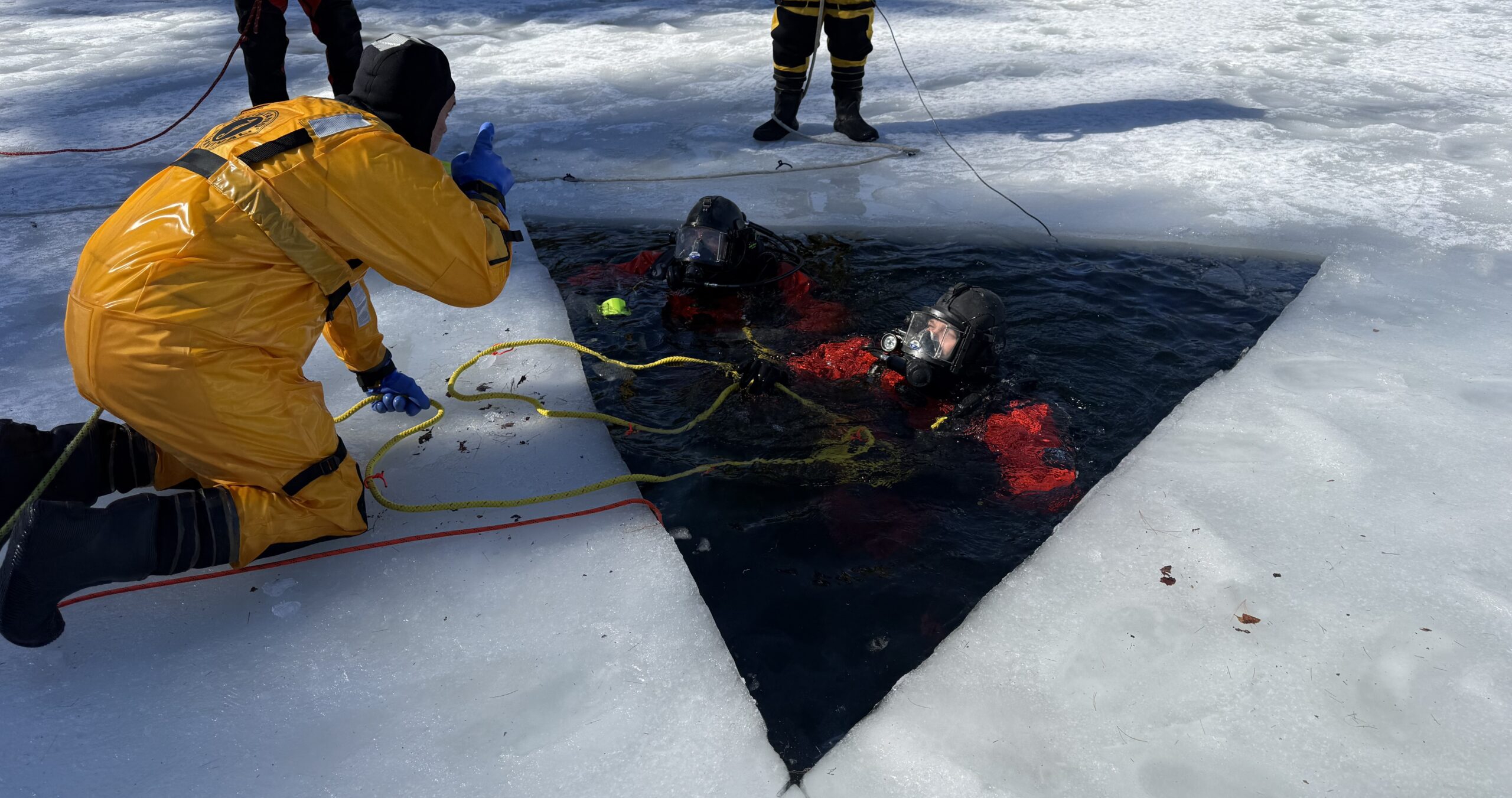
The Police Dive Unit is a highly trained, specialized team responsible for conducting underwater operations in support of law enforcement efforts.
Unit members carry out search and recovery missions, locate and preserve evidence, and assist with investigations in aquatic environments. Their work includes recovering evidence from bodies of water, responding to water-related emergencies, and conducting detailed underwater searches.
Through their expertise, the Dive Unit enhances the department’s investigative capabilities and supports overall public safety.
Firearms
The Firearms Division plays a key role in firearm licensing, investigative support, and officer training.
The division manages the licensing process, conducting thorough background checks and evaluations to ensure compliance with state laws and promote public safety. It also assists in investigations involving firearms-related incidents, working in coordination with other units to address illegal firearm activity.
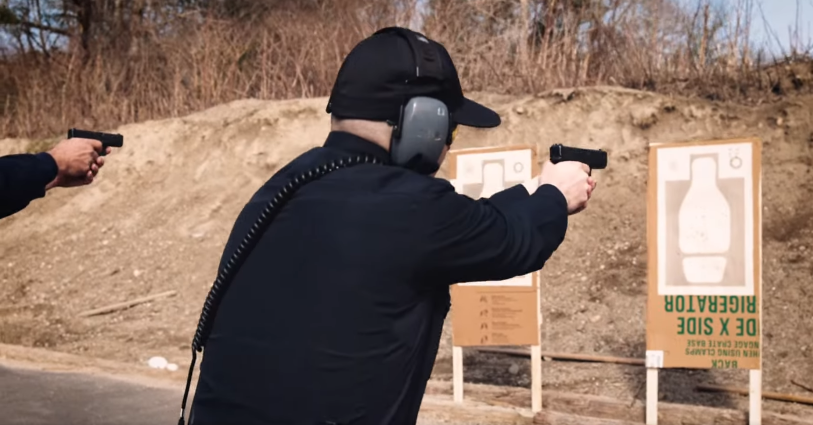
In addition, the Firearms Division oversees training to ensure officers maintain a high level of proficiency in firearm safety, marksmanship, and current law enforcement practices.

Gang Unit | VCIU
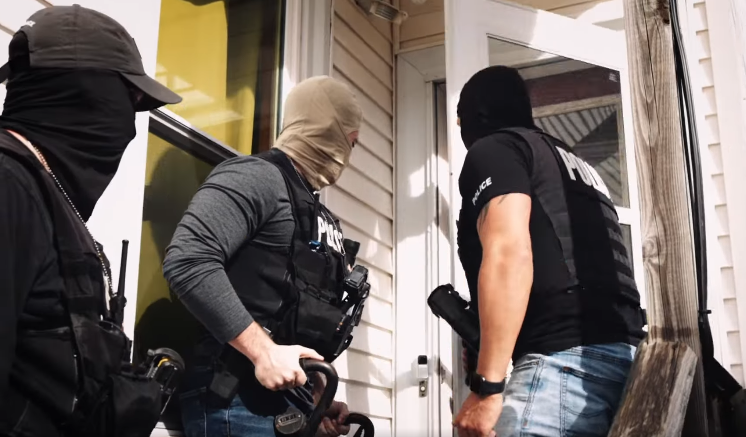
The Police Gang Unit is a specialized division committed to addressing and mitigating gang-related activities within our community. Highly trained officers in this unit work proactively to gather intelligence, investigate gang-related incidents, and collaborate with other law enforcement agencies to curb gang violence and criminal enterprises. Through strategic partnerships with the community, outreach programs, and targeted enforcement, the Gang Unit aims to disrupt gang operations, enhance public safety, and foster a secure environment for residents and businesses alike. Their efforts contribute significantly to the overall mission of reducing gang influence and ensuring safety in the community.
Our Violent Crime and Intelligence Bureau (VCIU) is at the forefront of combating drug-related crime in our community. These specialized detectives employ advanced investigative techniques to identify, track, and apprehend individuals involved in drug trafficking and distribution. By collaborating with local, state, and federal agencies, the unit works tirelessly to dismantle drug networks, seize illicit substances, and disrupt the flow of narcotics into our neighborhoods. Through their commitment and expertise, our narcotics detectives play a crucial role in ensuring public safety and tackling the complex challenges associated with drug-related offenses.
Honor Guard
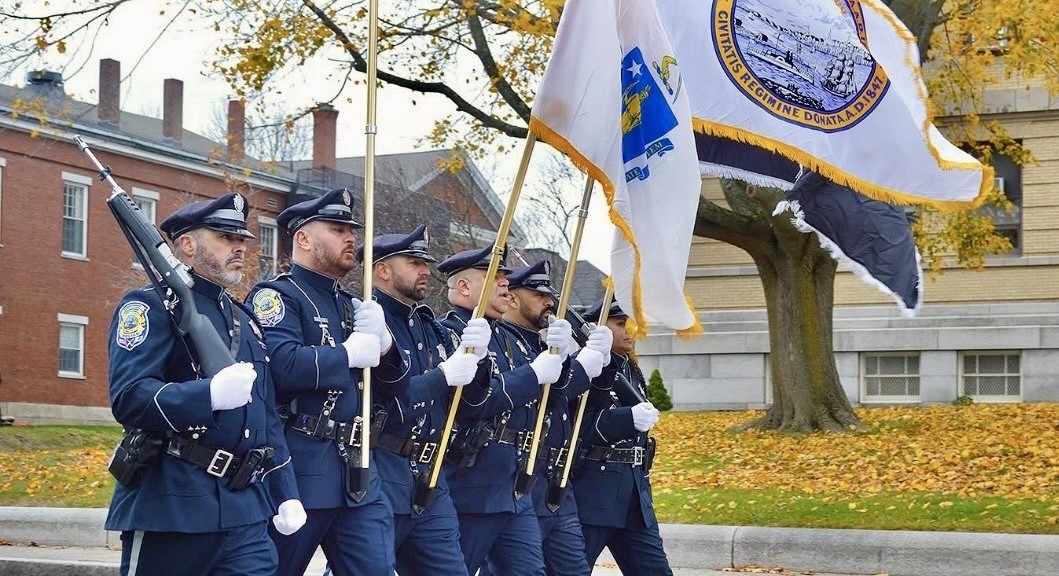
The Honor Guard Unit serves as the ceremonial representative of the New Bedford Police Department, reflecting the department’s commitment to professionalism, discipline, and respect. Comprised of specially selected officers, the unit participates in funerals, memorial services, departmental ceremonies, and community events.
The Honor Guard plays a central role in honoring fallen officers, recognizing distinguished service, and preserving the traditions of law enforcement. Their responsibilities include the presentation of colors, ceremonial drills, funeral honors, and participation in regional and national events.
Through dedicated training and precise execution, the Honor Guard ensures that all ceremonies are conducted with dignity, consistency, and the highest level of respect.

Marine Unit
The Marine Unit plays a critical role in safeguarding the city’s harbors and waterfront. Officers conduct regular patrols using department watercraft to monitor activity and respond to incidents on the water.
The unit enforces maritime laws, conducts search and rescue operations, and works in coordination with local, state, and federal partners to address illegal maritime activity.
Through a visible presence and specialized capabilities, the Marine Unit helps ensure the safety and security of the city’s waterways and port areas.
Patrol
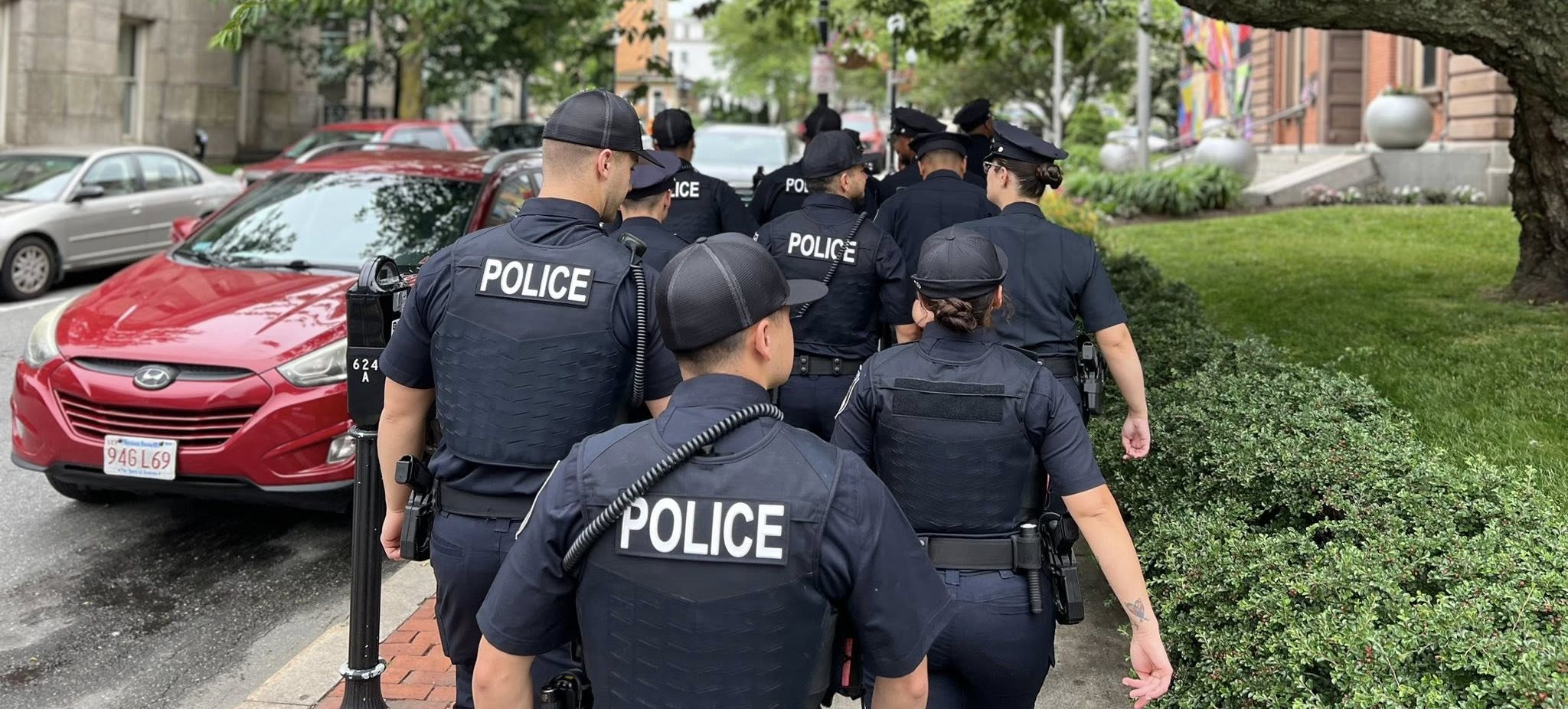
Patrol officers are often the most visible members of the New Bedford Police Department and serve as the primary point of contact for the community. Guided by the principles of community policing, officers work to prevent crime and reduce traffic-related incidents through proactive patrol and a consistent, visible presence.
In addition to responding to calls for service, patrol officers conduct preliminary investigations, enforce laws, make arrests, manage traffic, and provide emergency assistance. They also identify potential safety concerns and work collaboratively with residents, businesses, and partner agencies to maintain public order and strengthen community relationships.

Professional Standards
The Professional Standards Unit is responsible for investigating complaints of alleged misconduct involving members of the New Bedford Police Department. The unit ensures that community members have the opportunity to voice concerns regarding the quality and delivery of police services.
Through a fair and thorough review process, Professional Standards works to uphold the integrity of the department while maintaining public trust and confidence. The complaint review process also provides valuable feedback to help ensure department policies and procedures remain effective, consistent, and responsive to community needs.
In addition, the unit conducts internal audits and oversees internal public records requests for the department.
School Resource Officer
The School Resource Officer (SRO) Unit plays an important role in maintaining a safe and supportive learning environment within New Bedford’s schools.
SROs work closely with school administrators, staff, and students to enhance campus safety and serve as a direct link between law enforcement and the school community. In addition to providing a visible presence, officers assist with safety planning, participate in drills, and deliver educational programs on topics such as substance abuse prevention and bullying.
Through daily interaction and engagement, SROs help build trust, promote positive relationships, and support the overall well-being of students and staff.

LEAD
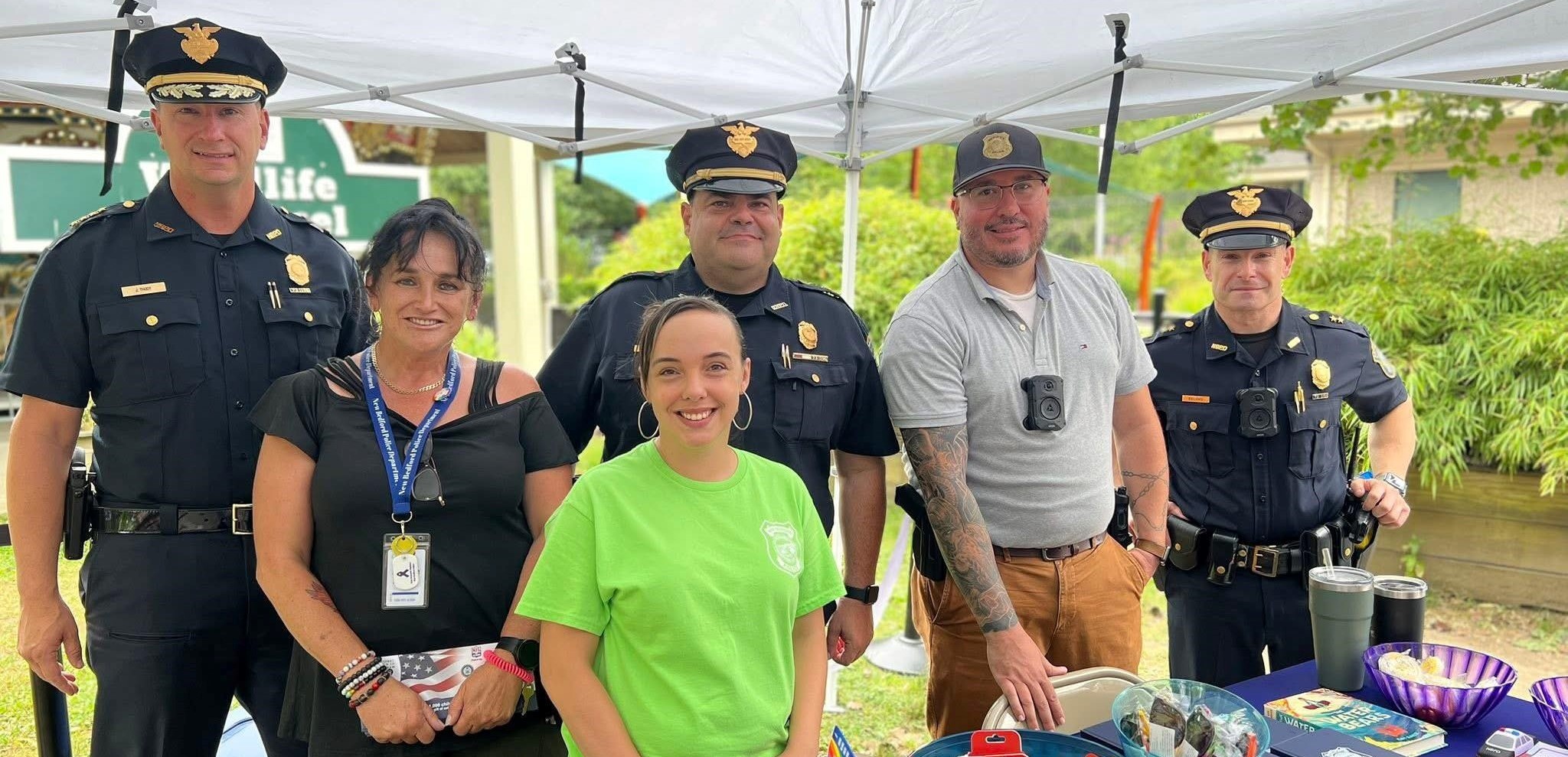
Through the Law Enforcement Assisted Diversion (LEAD) initiative and dedicated Outreach staff, the department takes a proactive, collaborative approach to addressing substance use and mental health challenges in the community. The unit includes both sworn officers and civilian personnel working together to provide support and services.
Team members partner with officers and clinicians to co-respond to calls involving individuals in crisis, ensuring a compassionate and coordinated response. The LEAD program emphasizes diversion, connecting individuals to treatment, services, and long-term support rather than the traditional criminal justice process.
By combining law enforcement, civilian outreach, and behavioral health resources, the unit works to reduce recidivism, support recovery, and improve overall community well-being.
Divisions of Outreach
CCIT
The department serves as a co-chair of the Community Crisis Intervention Team (CCIT), a collaborative partnership of law enforcement, health professionals, and community organizations across New Bedford.
CCIT provides a coordinated, compassionate response to individuals experiencing crisis, particularly those facing mental health challenges, by connecting them with appropriate care and support services. Urgent cases are addressed by a core group of partners, with additional agencies continuing to join and strengthen the collaboration.
Opioid Taskforce
The New Bedford Opioid Task Force is a collaborative effort focused on addressing opioid misuse and overdose within the Greater New Bedford community. The task force works to expand and leverage existing resources, strengthen coordination among partner agencies, and improve communication to deliver a more effective, unified response.
Harm Reduction Subcommittee
The Harm Reduction Subcommittee focuses on increasing the availability, accessibility, and awareness of services for individuals who use opioids. This includes engaging individuals, particularly those who have experienced non-fatal overdoses, as partners in reducing the harmful effects of substance use and connecting them with support and resources.
Homeless Emergency Assistance Response Team (HEART)
The Homeless Emergency Assistance Response Team (HEART) is a city-led initiative that brings together public safety, health services, and community partners to support individuals experiencing homelessness. The team conducts outreach to encampments, providing immediate assistance such as food, clothing, and basic necessities, while also offering connections to shelter and long-term support services.
Post Overdose Outreach

The Post Overdose Outreach Team is focused on preventing overdose deaths and improving quality of life within the community. The team includes police officers, recovery coaches, and members of the faith community working together to provide support.
Through coordinated outreach, the team conducts follow-up visits to offer counseling, resources, and connections to treatment services for individuals struggling with addiction, as well as support for their families.
Street Outreach
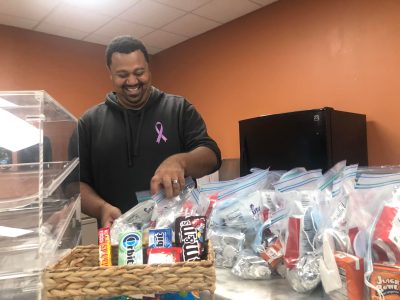
The department partners with local agencies to conduct street outreach in areas of high need, making direct contact with individuals at elevated risk.
Through these efforts, individuals are offered access to services and resources such as housing assistance, food, Narcan, harm reduction supplies, and other supportive services tailored to their needs.